Really good advice
Really good advice
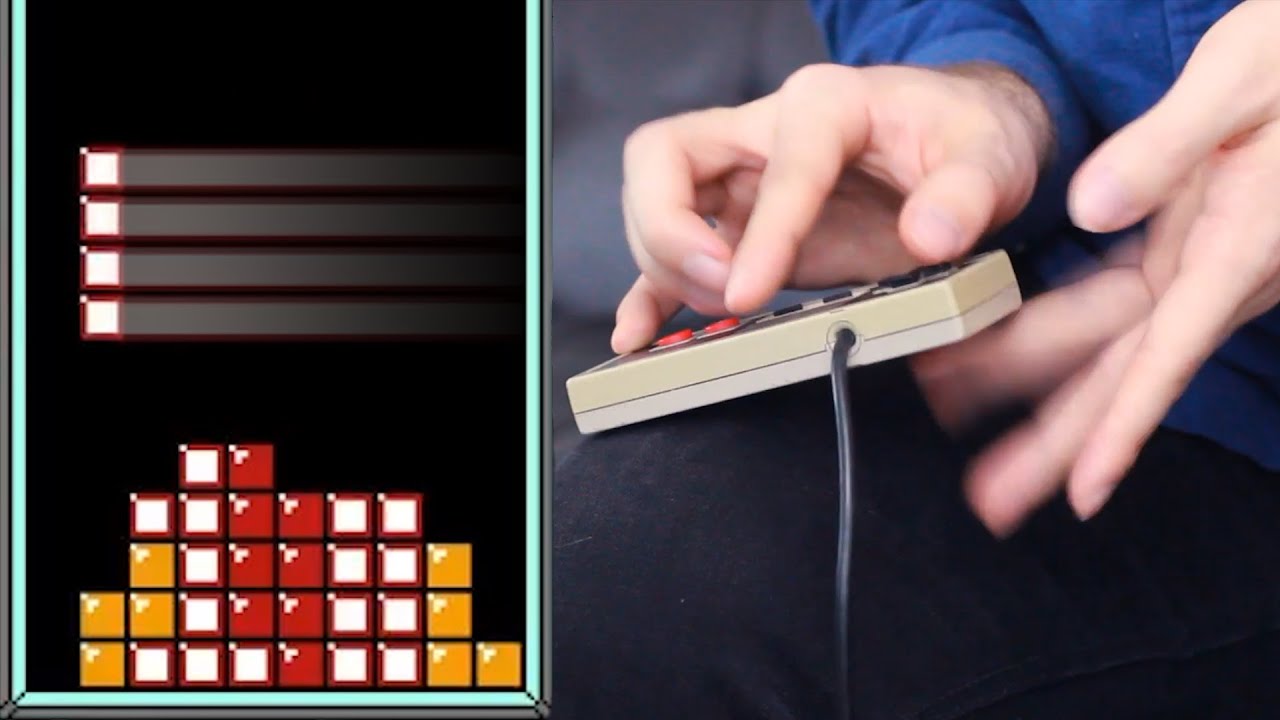
32 years after its release, NES Tetris gets a new technique: rolling.
Think drumming your fingers on a table. You can go pretty fast right? Do that but on the d-pad.
Did I say d-pad? No, that’s way too small a target. Put your thumb on the d-pad, and drum your fingers on the back of the controller. 20+ presses per second!
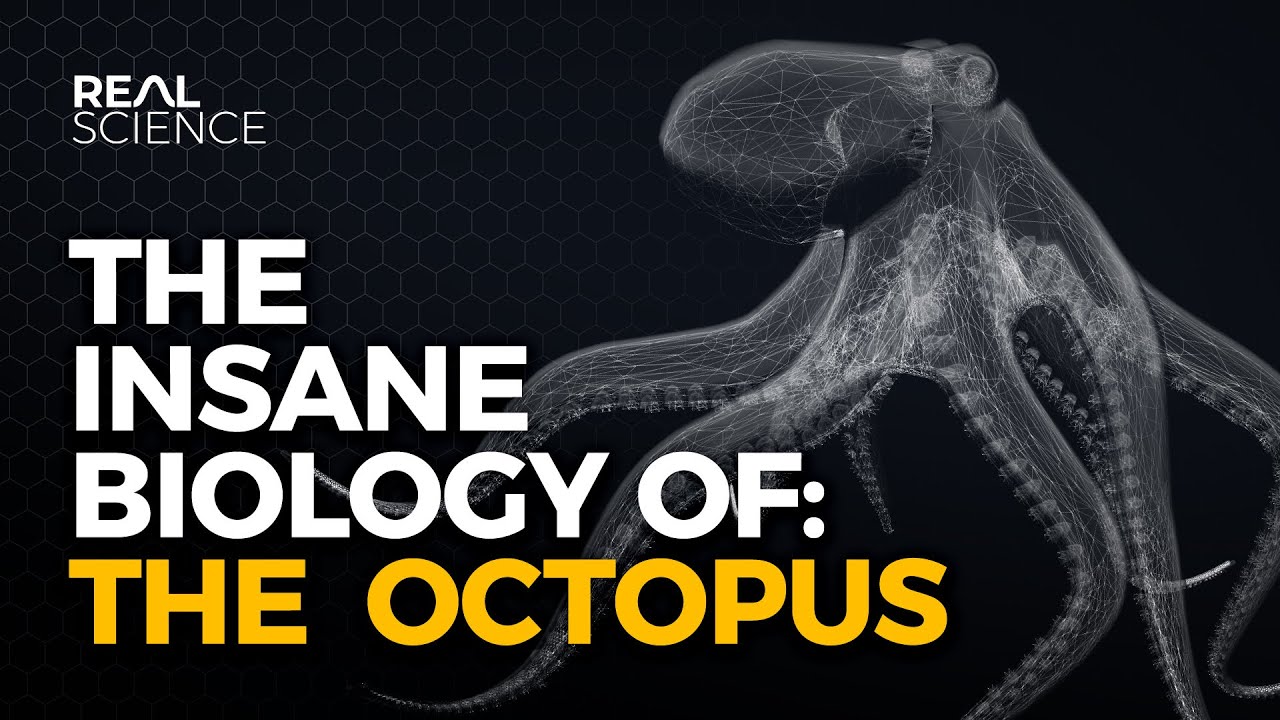
it’s wild to think how much function Octopi get out of 0.5% the brain hardware we have. What are we using all those neurons for? What’s the minimum you need to reach abstract thought?
This is a really interesting bit on that. Portia spiders and brainpower:
https://rifters.com/real/2009/01/iterating-towards-bethlehem.html
He also wrote Blindsight on similar themes, which is the best hard sci-fi I’ve read in a long time.
Octopi essentially have GPUs in their skin, because their literal skin has to interact with the environment intelligently.
You can imagine that this offloads a lot of the work from their actual brains to control their skin in this way.
Having that increased neural density is what affords them the capacity for higher intelligence.
If humans had 8 limbs instead of 4 we would need bigger brains to coordinate them all.
Or is it more calorie efficient to have more intelligent limbs and smaller brains.
Dolphins have huge brains for echolocation, so maybe it isn’t all about calories.
Perhaps its if the evolution pathway happens to favour growing more neurons is what gives rise to intelligence. Those pathways require a hypersensitivity to the environment and a need to frequently adapt/ adjust (creativity).
If the neural matter is spread out, does it still all think and act as one conscious being or do different parts act independently? Do the parts of the whole act in perfect unity, or is a single octopus more like an ant colony? Even in a human with a single brain we have things like muscle memory and automatic reflexes where parts of our body act independently.
It gets even weirder than that:
It was always my understanding that each octopus limb functions “independently” in that it acts out it’s own programming but will listen to commands from the main brain. This ties back to the video’s discussion of “humancentric intelligence” in that even me framing it as a main brain with sub-ones is my own view of what neuron clusters “should” look like in an animal.
I think it’s like that scene from Spiderman 2, when Dr. Oct is aware of his extra limbs and they’re aware of him.
Ultimately the brain has the final say, unless the limbs sense danger and need to react fast. Because waiting for the brain would take too long in those situations.
Reflex vs voluntary movement.
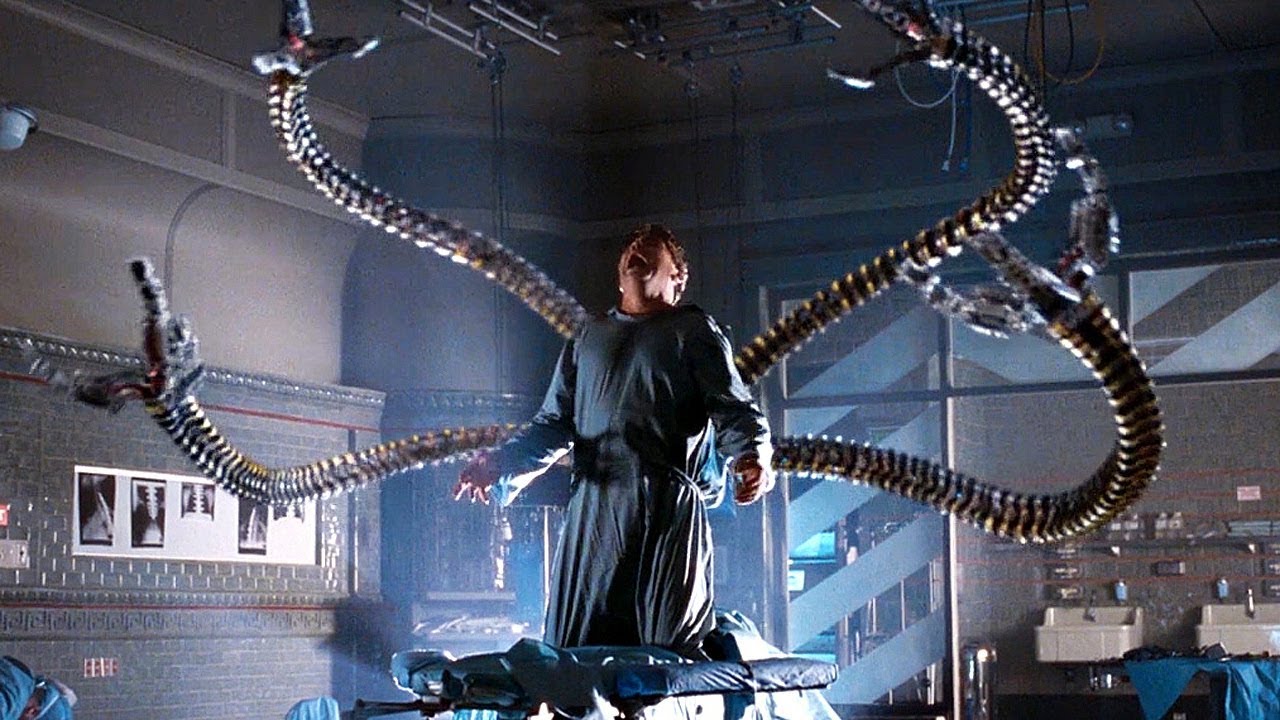
This current convo about jumping spiders and octopodes (yes, I am that ahole) makes me want to reread Children of Time and Children of Ruin.

First new change to Audacity after Muse Group takes over:

TIL and my mind is blown! I would have never thought of using this as a solution to seeing color. They truly are aliens on our own planet.